
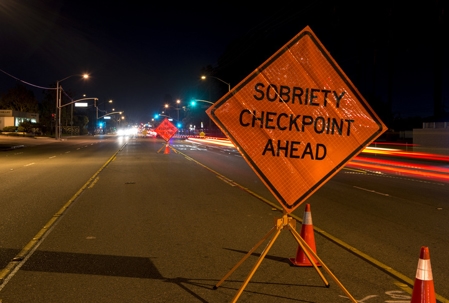
DUI checkpoints can cause a lot of anxiety, especially when the rules and procedures are not clear. This guide explains OC DUI checkpoints in plain language, what happens at a stop, and how to protect legal rights if an arrest occurs. Read calmly — information and early action can help in a stressful moment.
If a checkpoint stop led to a criminal charge, act now — contact Law Offices of Virginia L. Landry, Inc. through our online form or call (949) 694-8804 for prompt guidance.
What is an OC DUI Checkpoint?
A DUI checkpoint is a temporary road stop set up by law enforcement to look for impaired drivers. Officers use checkpoints to check drivers for signs of alcohol or drug impairment. Checkpoints are legal in California when set up in accordance with rules that protect motorists’ rights.
- Checkpoints are typically announced or publicized in advance in many counties.
- Locations are chosen to promote safety, not to single out groups of people.
How law enforcement chooses and sets up checkpoints
Police follow specific rules when planning checkpoints to make them legally valid. The goal is to balance public safety and individual rights.
- A plan is usually approved in advance by a supervisor or a court.
- Signs, cones, and officers with reflective gear mark the checkpoint area.
- Officers work in teams: some direct traffic while others screen drivers.
What happens during a checkpoint stop
Most checkpoint stops are brief. Officers look for clear signs of impairment — slurred speech, strong odor of alcohol, or unsafe driving.
- Driver approaches and slows at the checkpoint.
- An officer may ask for driver’s license and registration.
- If signs of impairment appear, the officer may ask follow-up questions or make a field sobriety request.
- Short stops that only involve checking documents usually do not lead to arrest.
- If an officer requests a breath or blood test, the situation can change quickly.
Drivers’ rights at checkpoints
Knowing basic rights can reduce confusion during a stop. Rights at a checkpoint are not the same as rights during a traffic stop after a suspected crime.
- There is no right to avoid stopping at a checkpoint if a visible sign or officer directs traffic.
- A driver has the right to remain silent about facts that could be self-incriminating.
- A driver may refuse a field sobriety test, but refusing a chemical test has legal consequences in California.
Simple steps to follow at a checkpoint:
- Remain calm and keep hands visible.
- Provide valid ID and vehicle documents if requested.
- Avoid admitting to drinking or drug use.
Common mistakes that make situations worse
A few actions can escalate a routine checkpoint encounter into criminal charges. Avoid sudden moves and unnecessary conversation about alcohol or drugs.
- Arguing with officers at the scene
- Making admissions like “I had a couple of drinks”
- Failing to appear for DMV or court-related deadlines after an arrest
If a breath or blood test is requested or refused
California law includes implied consent rules for chemical testing. That means drivers who refuse a required test may face administrative penalties through the DMV, even if there is no criminal conviction.
- Refusing a breath or blood test can lead to automatic license suspension.
- A test taken at the station may provide evidence of blood alcohol content (BAC) used in criminal court.
- Both DMV and criminal court processes can run at the same time, and both should be addressed promptly.
What happens after a checkpoint arrest
If an arrest follows a checkpoint stop, the process moves into criminal court and may include a separate DMV hearing about the driver’s license. A quick legal review of the arrest can identify critical issues.
- Officers must follow proper procedures when making an arrest; errors can be crucial to a defense.
- The police report, video, and timing of events are all part of the record that needs close review.
- Learn more about how checkpoint arrests are handled in Orange County at this page about DUI checkpoint arrests.
How evidence from the checkpoint is reviewed
A strong defense starts with a careful review of how the stop and any tests were conducted. Essential items include the checkpoint’s legal setup and whether officers followed protocol.
- Did the checkpoint follow the department’s written procedures?
- Were signs, lights, and staffing in place as required?
- Was the timing and sequence of events accurately recorded?
Practical tips if a stop occurs
These quick actions can help preserve rights and options later on.
- Stay calm and polite; this reduces conflict and confusion.
- Don’t volunteer information about drinking or drug use.
- Note the names of officers and any badge numbers if possible.
- If arrested, request legal counsel as soon as allowed.
Why early legal help matters
An early review of the checkpoint stop, police reports, and test results can identify mistakes or rights violations. That review is the foundation of an effective response to criminal charges and DMV actions.
- Evidence may be missing or inconsistent.
- Administrative deadlines (like DMV requests) are strict and have short time limits.
- Addressing both the criminal case and DMV matters simultaneously is crucial.
Orange County DUI Checkpoint Defense Attorney
If a checkpoint stop led to an arrest, gather documents and take prompt steps:
- Keep the arrest paperwork, officer reports, and any test results.
- Note important dates like court hearings or DMV deadlines.
- Contact legal help for a thorough review of the case.
If immediate help is needed, reach out for direct guidance.
Contact Law Offices of Virginia L. Landry, Inc. today for a careful review of a checkpoint stop or DUI arrest. Learn more about DUI checkpoint arrests and what follows at this resource on DUI checkpoint arrests, and call (949) 694-8804 for prompt assistance.